Asked Questions ?
What Is The Difference Between Asphalt Paving And Sealcoating?
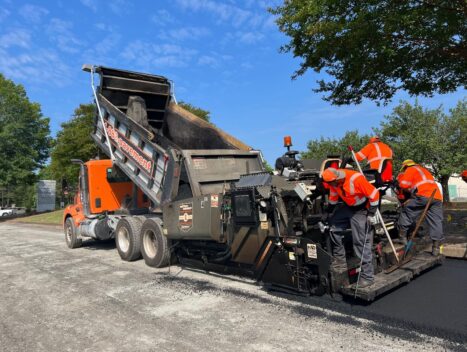
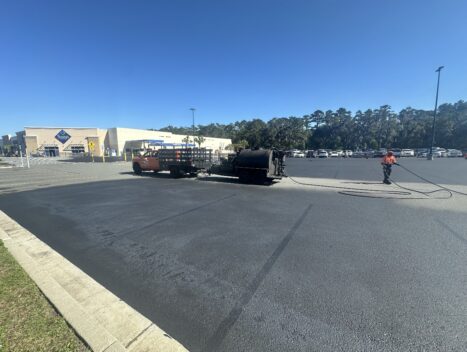
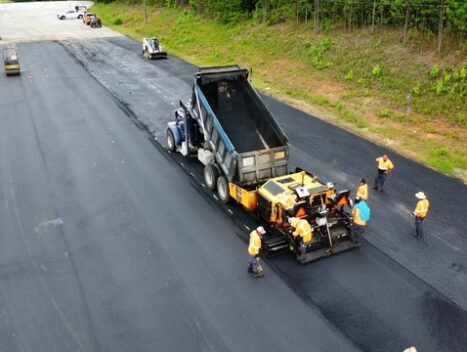
Asphalt paving and asphalt sealcoating are two entirely different services, but both are crucial to helping you get and maintain paved surfaces that last for decades. Asphalt paving is the construction process used to create driveways, roads, parking lots, and other surfaces. As the name implies, it involves asphalt, a material made of aggregates, fillers, and a binder called bitumen. During asphalt paving projects, teams lay and compact hot asphalt, resulting in a cost-effective, beautiful surface that can serve your property for years to come. Asphalt sealcoating is a form of preventative maintenance used to keep asphalt paving in good shape over the long haul. Contractors apply asphalt-based emulsion sealers to paved surfaces, protecting them from damaging factors such as UV exposure, water penetration, road chemicals, and more. Both asphalt paving and sealcoating use asphalt, but in different ways and for distinct purposes.
Why Should I Choose Asphalt Pavement For My Paving Needs?
Asphalt is among the world’s most popular paving materials, and there are several reasons why.
- Cost-Efficiency: Asphalt has lower upfront costs compared to alternatives like concrete.
- Quick Installation: Unlike other paving materials, asphalt is quick to install. Most projects are complete within a few days.
- Durability: Asphalt offers impressive durability. It can withstand decades of traffic and extreme weather, and proper engineering can ensure surfaces accommodate your unique traffic needs.
- Longevity: With proper care, asphalt paving can last 20 years or more.
- Ease of Maintenance: Maintaining asphalt is a breeze. Regular services, including sealcoating and crack repairs, can help maintain the beauty, safety, and reliability of your pavement.
- Straightforward Repairs: If damage does occur, contractors can easily address issues via repair techniques like patching.
- Comfort : Asphalt offers a smooth ride with reduced noise. It creates an enjoyable driving experience while also reducing noise pollution.
- Aesthetics: The dark, glossy finish of asphalt complements any architectural or landscaping style. It gives any property an instant curb appeal boost.
- Environmentally Friendly : Asphalt is an environmentally friendly alternative to concrete that can help reduce your carbon footprint. It’s a recyclable material that can help reduce waste and promote sustainability.
How Long Will Asphalt Paving Last?
The average life expectancy of asphalt paving varies. It all depends on the quality of ongoing care provided, a surface’s exposure to the elements, the amount of traffic it receives, etc. Generally, expertly installed and maintained asphalt lasts 20 years or more. The key to longevity is routine maintenance. Annual inspections, sealcoating, crack filling, and timely repairs can help prevent early deterioration and maximize your pavement’s lifespan.
What Is An Asphalt Overlay And Is It Appropriate For My Needs?
An asphalt overlay is a thin layer of fresh asphalt applied to an existing surface. There are many instances in which an overlay can benefit your property.
- Resurfacing: Resurfacing involves removing the upper layers of asphalt before applying a new overlay. It can correct years of surface wear, addressing recurring problems like raveling, fading, deterioration, frequent cracking, and potholes. A new overlay can add years to your pavement’s life.
- Enhancing Aesthetics: An overlay gives pavement a like-new look at only a fraction of the cost of reconstruction. It covers old imperfections, unevenness, surface damage, and more, creating a smooth driving experience with plenty of curb appeal.
- Increasing Load-Bearing Capacity: A properly applied overlay can increase your pavement’s load capacity while improving its overall structural integrity.
What Is The Typical Procedure For Installing A Parking Lot?
Parking lot paving is a multi-step process. Here’s a simple breakdown of the procedure.
- Site Preparation: Before starting a paving project in earnest, contractors will take time to prepare the site. This includes clearing the land, grading the surface, and making adjustments to ensure stability and proper drainage.
- Design, Engineering, and Layout: Engineers will design your parking lot to meet your precise needs and specifications, choosing the appropriate materials and thickness. Paving companies also design layouts to optimize space while ensuring compliance with all applicable regulatory requirements.
- Base Installation: Base installation helps create a strong foundation for your parking lot. This process involves spreading and compacting aggregates to improve stability and load capacity.
- Surface Installation and Compaction: Once the base is ready, teams will lay hot asphalt. Thorough compaction creates a durable and smooth surface.
- Striping and Signage: After the asphalt cures, teams will apply stripes and signage, turning bare asphalt paving into a functional, safe, and highly efficient parking lot.
How Do I Maintain My Asphalt To Keep It Looking Good For Years To Come?
There are many ways to maintain asphalt over the long haul. A good maintenance routine will include:
- Cleaning : Regularly sweep your asphalt paving to prevent grime from building up and causing premature oxidation. Occasional washing can also help address stains and caked-on debris.
- Crack Filling: Frequent crack filling and sealing will help improve your pavement’s safety. It’ll also keep water out, safeguarding your pavement foundation and preventing further damage.
- Asphalt Sealcoating: Sealcoating is a critical form of preventative maintenance. Applying thin coats of sealer every three years or so will shield the asphalt from harsh UV rays, oil spills, chemical damage, and more.
- Repairs: Prompt repairs are vital. Hire contractors to mend potholes and other defects as soon as possible to prevent severe pavement degradation.
- Inspections: Inspections help you stay on top of your pavement’s needs. Contractors can look for early signs of trouble and recommend action so you can be proactive about your asphalt’s care.
When Is Asphalt Repair Needed?
Asphalt is durable, but it can suffer many forms of damage. Some of the most common issues that warrant asphalt repairs include:
- Cracking : Cracks can develop due to exposure and oxidation. When they form, invest in asphalt repairs as soon as possible to prevent water infiltration and further damage.
- Potholes: Potholes occur when water has already infiltrated and weakened the pavement foundation. Not only are potholes unsightly, but they can worsen and create significant safety hazards. Hire contractors to patch potholes as soon as they develop.
- Surface Defects: Raveling and rutting are clear signs of deterioration. Professional repairs can correct these issues, preventing them from worsening and snowballing into bigger headaches.
- Drainage Problems: Poor drainage can cause standing water that severely damages your asphalt. Asphalt experts can identify the root cause of poor drainage and develop solutions to correct the problem, ensuring your pavement can effectively manage water runoff.
- Unevenness: Uneven pavement can be dangerous. It’s often a byproduct of settling and shifting. Asphalt repair companies can restore your pavement’s even surface via patching or resurfacing.
- Fading or Discoloration : Noticeable fading and discoloration indicate oxidation, which could lead to more severe damage later. Professional repairs can address oxidation while restoring your pavement’s beautiful finish.
When Is Parking Lot Striping Needed?
Parking lot striping plays a vital role in your property’s safety and efficiency. Here are a few situations that warrant parking lot striping service:
- New Construction : Striping is the final step that completes new parking lot paving projects. Striping helps designate parking stalls, loading zones, fire lanes, accessibility features, and more.
- Resurfacing: Fresh striping is necessary after resurfacing projects. Because overlays cover existing pavement, you’ll need new stripes to reestablish stalls and other vital features.
- Surface Defects: Raveling and rutting are clear signs of deterioration. Professional repairs can correct these issues, preventing them from worsening and snowballing into bigger headaches.
- Sealcoating: Sealcoating will make existing stripes less visible, sometimes covering them entirely. After the sealer cures, parking lot striping companies can restore your stripes and markings.
- Layout Changes : If you make any changes to your parking lot design, whether that’s optimizing the available space or revamping traffic routes, you’ll need striping services to reflect the new design.
- Fading and Damage : Parking lot striping paint doesn’t last forever. It will fade with wear and exposure, making stripes and markings difficult to see. Regular striping and restriping services ensure your parking lot layout remains visible year-round.
What Is Crack Sealing?
Crack sealing is a form of asphalt repair that focuses exclusively on cracks and voids. Asphalt is durable, but cracks can form throughout your pavement’s lifespan. Crack sealing aims to address that damage, preventing further issues while keeping water out of your pavement foundation. Sealing involves clearing voids of debris. In some cases, contractors may also route cracks to maximize the bonding surface. After the area is ready, experts will apply hot or cold rubberized asphalt sealant. The sealant can expand and contract with temperature fluctuations, helping prevent the crack from spreading. After curing, teams will smooth the crack over to create a flush finish. Crack sealing should be a part of your larger asphalt maintenance routine. Regular service will prevent small cracks from becoming larger, more costly issues. It can even extend your pavement’s lifespan and help you save money in the long run.
When Is Asphalt Milling Needed?
Asphalt milling is a process that precisely pulverizes and removes pavement material. Contractors use heavy-duty milling machines that can remove asphalt to specific depths. There are several situations where you may need asphalt milling.
- Resurfacing : During resurfacing projects, contractors typically perform asphalt milling to prepare the existing surface. Milling removes the damaged surface layer, making room for the new asphalt overlay.
- Drainage Improvements: Asphalt milling can help to correct grading issues that lead to poor drainage. Professionals can use milling to achieve a correct slope that effectively redirects water.
- Reconstruction : Milling often plays a part in reconstruction projects. Asphalt milling can help remove damaged material, and contractors may also use it to proceed with full-depth reclamation projects.
- Repairs: Experts sometimes use milling to correct issues like uneven paving caused by settling or buckling. In those cases, milling can correct elevation and grading problems to create a smooth, more level surface.